Valves Selection & Application in Heating Network System
Magpie Valve Selection: Accurate Matching Ensures Reliable Control
Valve Technology Sharing
Valves Selection & Application in Heating Network System
Core Logic for Valve Selection in Heating Systems: Pneumatic Butterfly Valves and Large-Diameter Steam Traps
Heating System Inlet/Outlet: Regulates the flow of hot water, controlling heat exchange efficiency (e.g., adjusts supply flow based on outdoor temperature to avoid overheating or inadequate heating).
External Heating Networks/Downstream Heat Exchanger Networks: Acts as a "balance valve" for branch lines, distributing flow to user endpoints (e.g., industrial steam users and residential heating networks), ensuring downstream pressure and temperature stability.
Environmental Adaptability: Heating networks are exposed to high humidity and high temperatures (medium temperature 80~150°C). Pneumatic actuators have no electrical components, making them resistant to moisture and temperature variations (unlike electric actuators, which can short-circuit due to moisture).
Response Time: Pneumatic butterfly valves can open and close within 5-10 seconds, suitable for scenarios where network loads fluctuate frequently (e.g., rapid flow changes due to industrial user startup/shutdown). Combined with pressure sensors, this allows for "second-level adjustments."
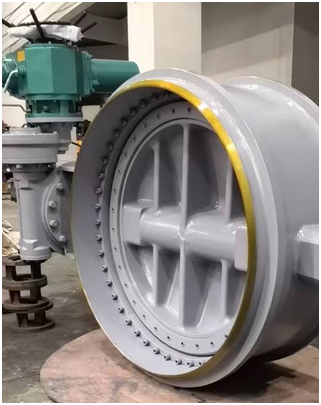
2. Large-Diameter Steam Trap (Butterfly Valve Type): High-Volume Flow Solutions for Drainage Systems
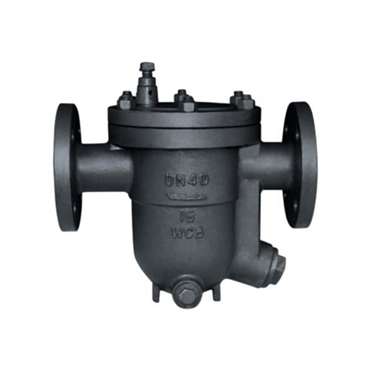
In heating systems, condensate discharge and pipeline cleaning must continuously expel condensate and impurities, while preventing hot water or steam leakage. In large-diameter scenarios (e.g., DN400+), traditional steam traps (e.g., float-type or inverted bucket-type) struggle to meet requirements due to size limitations (usually ≤ DN300) or complex structures (expensive, prone to clogging).
No Diameter Limit: Butterfly valves can reach diameters of DN2000+, easily meeting the demand for large-volume drainage in heating systems (e.g., large heaters expelling over 100m³ of condensate per hour).
Cost Advantage: Butterfly valves are 1/3 to 1/2 the price of traditional steam traps (no need for custom floats, levers, or complex mechanical structures) and require minimal maintenance (no moving sealing parts, only needing seal ring checks).
Functionality Substitute: Using "butterfly valves + liquid level linked control" (e.g., when the condensate tank level is high, the pneumatic butterfly valve opens for drainage; when low, it closes), simulates the automatic drainage logic of steam traps, essentially a combination of a "shutoff valve + control system."
Diameter Range | Recommended Valve Type | Core Advantages | Pitfalls to Avoid |
DN ≤ 300 | V-ball valve / Electric control valve | V-ball valve: High adjustment accuracy (CV value deviation ≤ 5%), resistant to condensate erosion (with slight scale buildup); Control valve: Linear flow characteristics, suitable for small flow precise control (e.g., lab-level heat exchanger drainage). | Avoid using regular ball valves (poor adjustment accuracy, prone to wear); For steam-containing medium, use traditional steam traps (V-ball valves can't distinguish steam and liquid). |
DN 300-1000 | Pneumatic butterfly valve (switch type + liquid level control) | Large diameter, low-cost solution with high flow capacity (Kv value 40% higher than same diameter gate valve); Simple structure, shock-resistant (water hammer pressure in heating networks can be up to twice the working pressure). | Must be paired with Y-type filter (filtration precision ≥ 100μm to prevent clogging by welding slag or scale); Sealing should use "metal + soft seal" combination (e.g., stainless steel valve disc + EPDM seal ring) to avoid soft seal aging and leakage at high temperatures. |
DN > 1000 | Custom large-diameter butterfly valve (double eccentric design) | The only feasible solution for ultra-large diameters, double eccentric design reduces friction between valve disc and seat (extends lifespan); Can integrate electric/pneumatic actuators for remote control (ideal for unmanned heat exchange stations). | Valve body material should be cast steel (e.g., WCB), pressure rating designed at 1.5 times the working pressure (e.g., for 1.6MPa system, valve test pressure 2.4MPa); Ensure the valve stem is horizontal during installation to prevent sealing surface wear due to gravity. |
≤100°C Hot Water: Valve seat uses EPDM rubber (temperature resistance 120°C), valve body made of ductile iron (low cost, corrosion-resistant).
100~150°C Hot Water: Valve seat uses silicone rubber (temperature resistance 180°C) or metal hard seal (stainless steel welding), valve body made of cast steel (e.g., ASTM A216 WCB), preventing high-temperature deformation.
Low-pressure systems (≤1.0MPa): Pneumatic butterfly valves can use single-acting actuators (spring return when pressure drops, in line with "fail-safe" logic).
Medium-High Pressure Systems (1.0 to 2.5MPa): Dual-acting pneumatic actuators must be selected (providing higher thrust, ensuring valve disc closure under high pressure), and the valve body must undergo "hydrostatic strength testing" (1.5 times working pressure, holding for 30 minutes with no leakage).
Large Flow, Low Pressure Loss Scenario (e.g., Main Pipeline Regulation): Prioritize "double eccentric butterfly valves" (flow resistance coefficient Cv value 20% higher than standard butterfly valves), reducing energy consumption of circulation pumps in the heating network (each 0.1 bar reduction in pressure loss saves approximately 5000 kWh per pump annually).
Small Flow, High Precision Scenario (e.g., Downstream User Branch Regulation): Choose V-ball valves (adjustment ratio up to 300:1), avoiding "oscillatory regulation" in butterfly valves at low opening (below 10%, where fluid erosion may cause disc wobbling).
Judging Standard: If the system contains "pure hot water + condensate" (no steam), butterfly valves are safe to use. If steam is present (e.g., steam-heating network drainage), traditional steam traps must be used (butterfly valves cannot distinguish steam from condensate, leading to hot water leakage).
Solution: Install a "temperature sensor" on the drainage pipe, when the medium temperature exceeds 80°C (hot water), the butterfly valve is closed; when below 60°C (condensate), it opens.
Cause: Butterfly valves above DN500 may cause water hammer due to rapid fluid flow changes during valve opening/closing (pressure peaks may reach 3 times the working pressure), potentially cracking pipeline welds.
Solution:
Install a "throttle valve" in the pneumatic actuator to extend opening/closing time to 15-20 seconds (avoiding instantaneous operations).
Install a "water hammer absorber" (e.g., airbag-type absorber) in the pipeline before the valve to absorb sudden pressure fluctuations.
Regulation: Pneumatic butterfly valve (DN > 200) / V-ball valve (DN ≤ 200);
Steam Trap/Drainage: Large-diameter butterfly valve (DN > 300, pure hot water) / traditional steam trap (contains steam) / control valve (DN ≤ 300, precision control).
Temperature → select material and seal; Pressure → determine drive method and strength; Flow → determine diameter and flow resistance.
Large-Diameter Scenario (DN > 400): Butterfly valves offer significant cost advantages; prioritize them.
High Precision Scenario (e.g., labs, precision heat exchangers): Prioritize control valves / V-ball valves, ensuring control precision despite higher cost.
In similar heating network projects, focus on three core variables, whether the medium contains steam, pipe size, and control precision, to quickly identify the optimal valve type and avoid system failures caused by "overdesign" or "mismatched selection."
