Metal-Seated vs. Soft-Seated Valves: What's the Difference
In industrial piping systems, valve sealing performance is directly related to system safety, operational stability, and overall operating costs. Based on the materials used in the sealing pair, valves are generally classified into two major categories: Metal-seated valves and soft-seated valves. These two types differ significantly in structural principles, performance characteristics, applicable working conditions, and cost. A correct understanding and rational selection of sealing types is therefore a critical aspect of engineering design and equipment selection.
This article systematically analyzes Metal-seated and soft-seated valves from the perspectives of structural features, advantages, limitations, and application scenarios, and provides practical guidance for valve selection.
Metal-seated valves achieve sealing through direct contact between metal surfaces. Both the sealing face and the valve seat are made of metal materials, typically stainless steel, bronze, or special alloys. Such valves require extremely high machining accuracy and manufacturing quality, as metal-to-metal sealing relies on precise surface matching.
In general, Metal-seated valves are suitable for high-pressure applications, typically above 2.5 MPa. Certain types, such as Metal-seated ball valves, can even be used in ultra-high-pressure conditions exceeding 35 MPa.
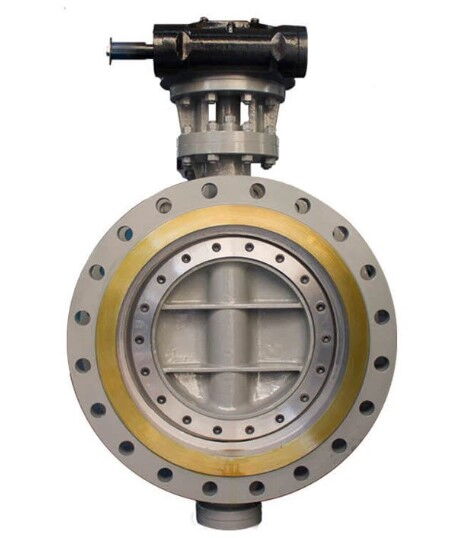
- High-pressure capability: In complex industrial environments such as chemical processing and heavy machinery, high temperature and high pressure are common challenges. Thanks to the inherent strength of metal materials, Metal-seated valves can easily withstand such harsh conditions. For example, in oil production and transportation, crude oil must be conveyed through pipelines under high pressure. Metal-seated valves ensure reliable sealing under these conditions, preventing leakage and ensuring operational safety.
- Excellent wear and corrosion resistance: High friction and strong corrosiveness of process media are common issues in industrial applications. Through precise machining and proper material selection, Metal-seated valves effectively resist these adverse factors. In power plant applications, such as main steam valves and high-pressure feedwater valves, valves must endure extremely high temperatures, pressures, and corrosive steam. By using special alloys such as Hastelloy or Monel, Metal-seated valves exhibit outstanding corrosion resistance and extended service life.
- Long service life and high reliability: Due to their materials and manufacturing processes, Metal-seated valves typically have a much longer service life than soft-seated valves. Under suitable operating conditions, their lifespan can be several times longer. For example, when metal-seated ball valves are used to convey media containing sand or solid particles, the high Metalness of the metal sealing surfaces effectively resists erosion and abrasion, ensuring long-term stable operation.
- Manufacturing complexity and higher cost: Metal-seated valves have longer production cycles and more complex manufacturing processes. To achieve effective sealing, sealing surfaces require high-precision grinding and polishing, resulting in significantly higher manufacturing costs compared to soft-seated valves. In addition, Metal-seated valves require greater operating force to press the rigid sealing surfaces together, often necessitating actuators with higher torque, which further increases system cost.
- Difficulty in achieving zero leakage: Due to the rigidity of metal materials, microscopic surface imperfections cannot be fully compensated. As a result, Metal-seated valves generally find it difficult to achieve true zero leakage. Typically, their sealing performance meets Class IV or Class VI standards (according to API specifications). While sufficient for most industrial applications, they may be less suitable for services requiring extremely tight shutoff compared to soft-seated valves.
Soft-seated valves achieve sealing between metal and non-metal materials. Common non-metal sealing materials include nylon and polytetrafluoroethylene (PTFE). While the overall manufacturing standards are similar to those of Metal-seated valves, the difference lies in the sealing materials used for the valve seat. Soft-seated valves rely on the elasticity of non-metal materials to achieve sealing, resulting in relatively lower requirements for machining precision.
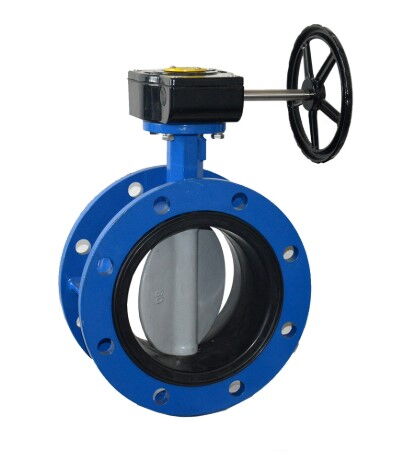
- Superior sealing performance: Soft-seated valves can achieve extremely low leakage rates, often reaching zero leakage or bubble-tight sealing. This is because soft materials can fill minor scratches and surface irregularities, reducing the dependency on extremely high surface finish and precision. For example, in potable water supply and wastewater treatment industries, where leakage control is critical and the media are clean and particle-free, soft-seated gate valves, butterfly valves, and ball valves are widely used to prevent water loss and environmental contamination.
- Low operating torque: Compared with Metal-seated valves, which require significant force to ensure sealing, soft-seated valves require only a small preload force. This makes operation easier and is particularly beneficial in applications involving frequent opening and closing, reducing operator fatigue and improving efficiency.
- Lower cost: Because soft-seated valves have lower machining accuracy requirements, their manufacturing costs are relatively low. This gives them a strong cost-performance advantage, especially in cost-sensitive applications.
Temperature limitations: All polymer-based materials have temperature limits. When these limits are exceeded, materials may age, carbonize, or even burn. Therefore, soft-seated valves are not suitable for ultra-high-temperature applications.
Typical temperature ranges include:
Nitrile rubber (NBR): approximately −40 °C to 120 °C
EPDM: approximately −50 °C to 150 °C
Fluororubber (FKM/Viton): approximately −20 °C to 200 °C
PTFE: approximately −200 °C to 260 °C
At elevated temperatures, soft sealing materials are prone to degradation, leading to leakage.
Poor wear resistance: In applications involving frequent operation or media containing solid particles, soft sealing materials are prone to wear, deformation, swelling, or chemical attack, resulting in reduced sealing performance and shorter service life. For instance, solid particles can directly scratch or erode soft sealing surfaces, compromising valve tightness.
Fire safety concerns: Soft-seated valves require special fire-safe designs because non-metal sealing materials may fail at high temperatures, causing leakage. Metal-seated valves do not have this issue, as metal materials exhibit far superior high-temperature resistance and can safely withstand fire or extreme heat conditions.
The choice between Metal-seated and soft-seated valves primarily depends on the process medium, temperature, pressure, and operating conditions. The following selection guidelines may be helpful.
- Media containing solid particles or abrasive substances: Metal-seated valves are preferable when the medium contains solid particles or is abrasive. Metal sealing surfaces can effectively resist erosion and wear, whereas soft sealing materials are easily damaged, leading to sealing failure.
- Corrosive media: For corrosive services, valve selection should be based on the type and severity of corrosion. Metal-seated valves can be manufactured using corrosion-resistant alloys such as Hastelloy or Monel to handle aggressive media. Soft-seated valves require non-metal materials with excellent chemical resistance, such as PTFE.
- Clean media: When the medium is clean, particle-free, and requires extremely low leakage rates, soft-seated valves are an excellent choice. In industries such as food and pharmaceuticals, where hygiene and tight sealing are critical, soft-seated valves effectively prevent leakage and ensure product quality.
- High-temperature and high-pressure conditions: Metal-seated valves are the preferred option under high-temperature and high-pressure conditions. Metal materials can withstand extreme environments, whereas non-metal sealing materials are prone to failure at elevated temperatures. Typical examples include main steam valves and high-pressure feedwater valves in power plants.
- Low-temperature and low-pressure conditions: Under low-temperature and low-pressure conditions, soft-seated valves offer certain advantages. Non-metal materials maintain good elasticity at low temperatures, and the valves are cost-effective and easy to operate. For example, soft-seated gate or butterfly valves are widely used in municipal water supply systems.
- Valve type: Different valve types have different sealing requirements. For instance, Metal-seated ball valves use metal-to-metal sealing and are suitable for high-pressure applications, while soft-seated ball valves are better suited for clean media requiring tight shutoff. Soft-seated butterfly valves perform well in applications requiring frequent operation, whereas Metal-seated butterfly valves are suitable for high-temperature and high-pressure services.
- Valve size: For large-diameter valves with significant pressure differentials, operating torque must be carefully considered. In such cases, Metal-seated valves are generally more suitable due to the strength and dimensional stability of metal materials. Soft-seated valves used in large sizes may experience sealing performance degradation due to deformation of the sealing surfaces.
Both Metal-seated and soft-seated valves have distinct characteristics and application ranges. Metal-seated valves excel in high-temperature, high-pressure, and highly corrosive conditions due to their superior pressure resistance, wear resistance, corrosion resistance, long service life, and high reliability. However, they are more complex to manufacture, more expensive, and generally unable to achieve absolute zero leakage.
Soft-seated valves, on the other hand, offer excellent sealing performance, low operating torque, and lower cost, making them highly cost-effective for clean media and low-temperature, low-pressure applications. Their limitations include temperature constraints, lower wear resistance, and fire safety concerns.
When selecting a valve, it is essential to comprehensively evaluate process media, temperature, pressure, valve type, and size. With continuous technological advancements, the performance of both Metal-seated and soft-seated valves continues to improve, providing more reliable and flexible solutions for industrial applications. Ultimately, selecting a valve that matches actual operating conditions is the key to achieving optimal performance and economic efficiency.
