Custom PTFE Sheet, Polytetrafluoroethylene, Self-Lubrication
Key Specifications / Features
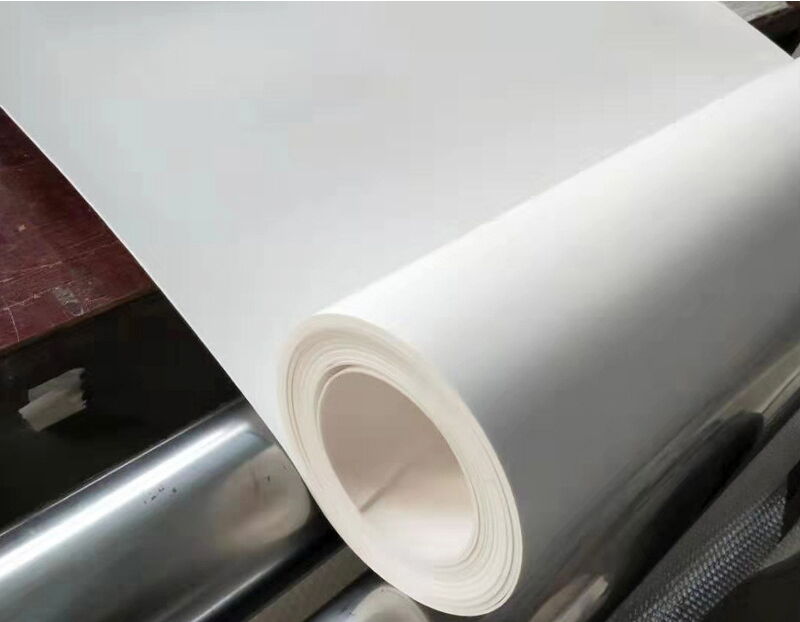
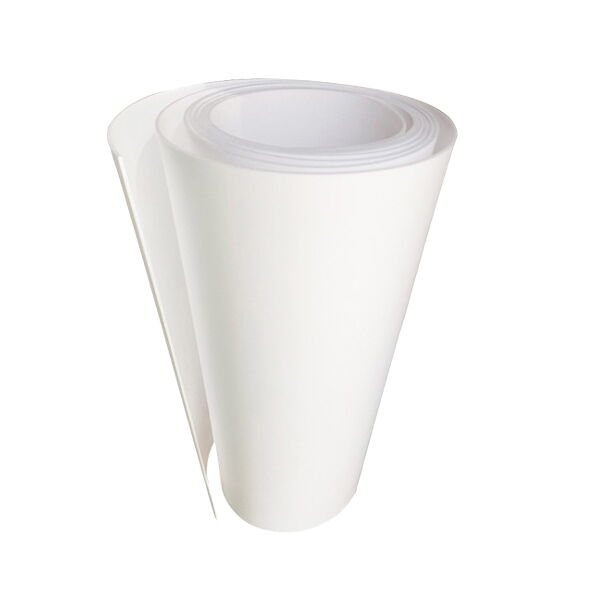
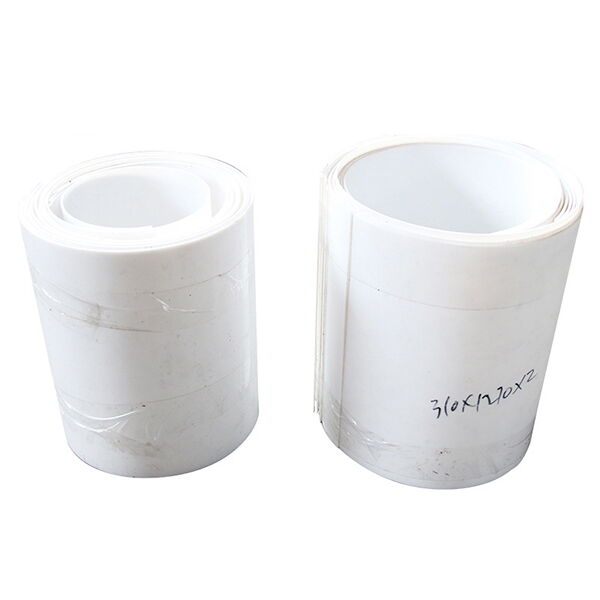
The Custom PTFE Sheet Supplier from China offers high-quality Polytetrafluoroethylene (PTFE) sheets tailored to meet specific customer requirements. These PTFE sheets are known for their self-lubrication and non-stick properties, making them versatile for a wide range of applications. Whether for industrial, automotive, or consumer use, these sheets provide durability, chemical resistance, and thermal stability, ensuring reliable performance in various environments.
- Model No.: MV-20250717-PS-01
- Hits: 27
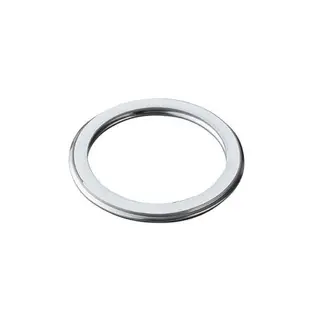
- Categories: PTFE Gasket
- Tags: PTFE Sheet
Detail Information
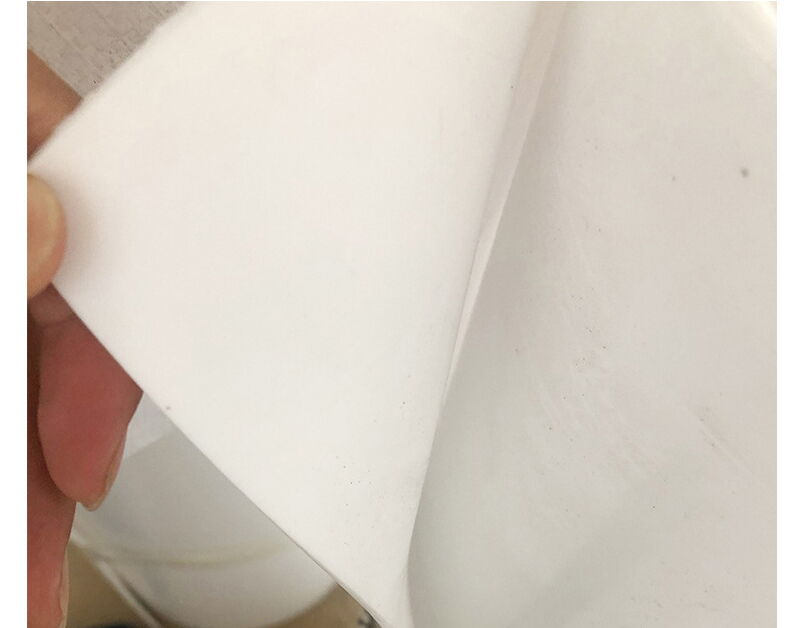
Product Name: PTFE Sheet
Color: White
Material: PTFE
Customization: Support
Applications: Large pipelines, chemical industry, storage tanks
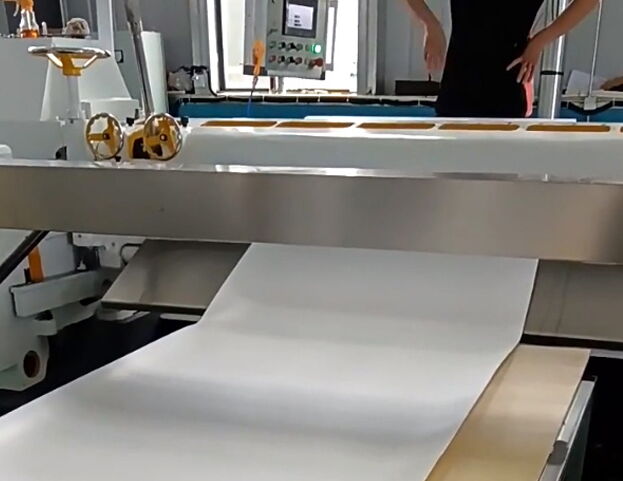
Polytetrafluoroethylene sheet (also known as PTFE sheet, Teflon sheet, or Fluoropolymer sheet) comes in two types: molded and skived. Molded sheets are produced by compression molding PTFE resin at room temperature, followed by sintering and cooling. Skived sheets are made by pressing PTFE resin into billets, sintering, and then peeling them into thin layers. PTFE sheets exhibit exceptional comprehensive properties:
- Resistance to extreme temperatures (-192°C to 220°C)
- Corrosion resistance (against strong acids, alkalis, aqua regia, etc.)
- Weather resistance
- High insulation
- High lubricity
- Non-stick properties
- Non-toxicity and harmlessness
Chemical Properties of Polytetrafluoroethylene (PTFE)
1. Insulation Properties
Unaffected by environmental conditions and frequency.
Volume resistivity up to 10¹⁸ ohm-cm, low dielectric loss, and high breakdown voltage.
2. Temperature Resistance
Minimal changes under temperature variations.
Wide operating range: -190°C to 260°C.
3. Self-Lubrication
Exhibits the lowest friction coefficient among plastics, making it an ideal material for non-lubricated applications.
4. Non-Stick Surface
Virtually no solid materials can adhere to its surface, as it has the lowest surface energy among solid materials.
Weather & Radiation Resistance, Low Permeability:
Maintains surface integrity and performance even after long-term exposure to the atmosphere.
5. Flame Resistance
Limiting Oxygen Index (LOI): Below 90 (highly flame-resistant).
Key Performance Characteristics
1. Non-Stick Property
Extremely low friction coefficient (about 1/5 that of polyethylene), a key feature of perfluorocarbon surfaces.
Weak intermolecular forces (fluorine-carbon bonds) contribute to its non-adhesive nature.
2. Mechanical Properties
Tensile Strength (σ₅): 20.7–27.5 MPa
Elongation at Break (δ): 250–350%
Impact Toughness (αₖ):
Notched: ≥16.1 J/cm²
Unnotched: >98.1 J/cm²
Tensile Modulus (E): ≥3.92 MPa
Hardness (Shore D): 50–65
3. Combustion Behavior
Maintains excellent mechanical properties across a broad range (-196°C to 260°C).
Unlike many polymers, it does not become brittle at low temperatures.
4. Electrical Properties
Low dielectric constant and dielectric loss over a wide frequency range.
High breakdown voltage, volume resistivity, and arc resistance.
5. Radiation Resistance
Poor resistance to high-energy radiation (degrades at 10⁴ rads).
Exposure leads to polymer degradation, significantly reducing electrical and mechanical performance.